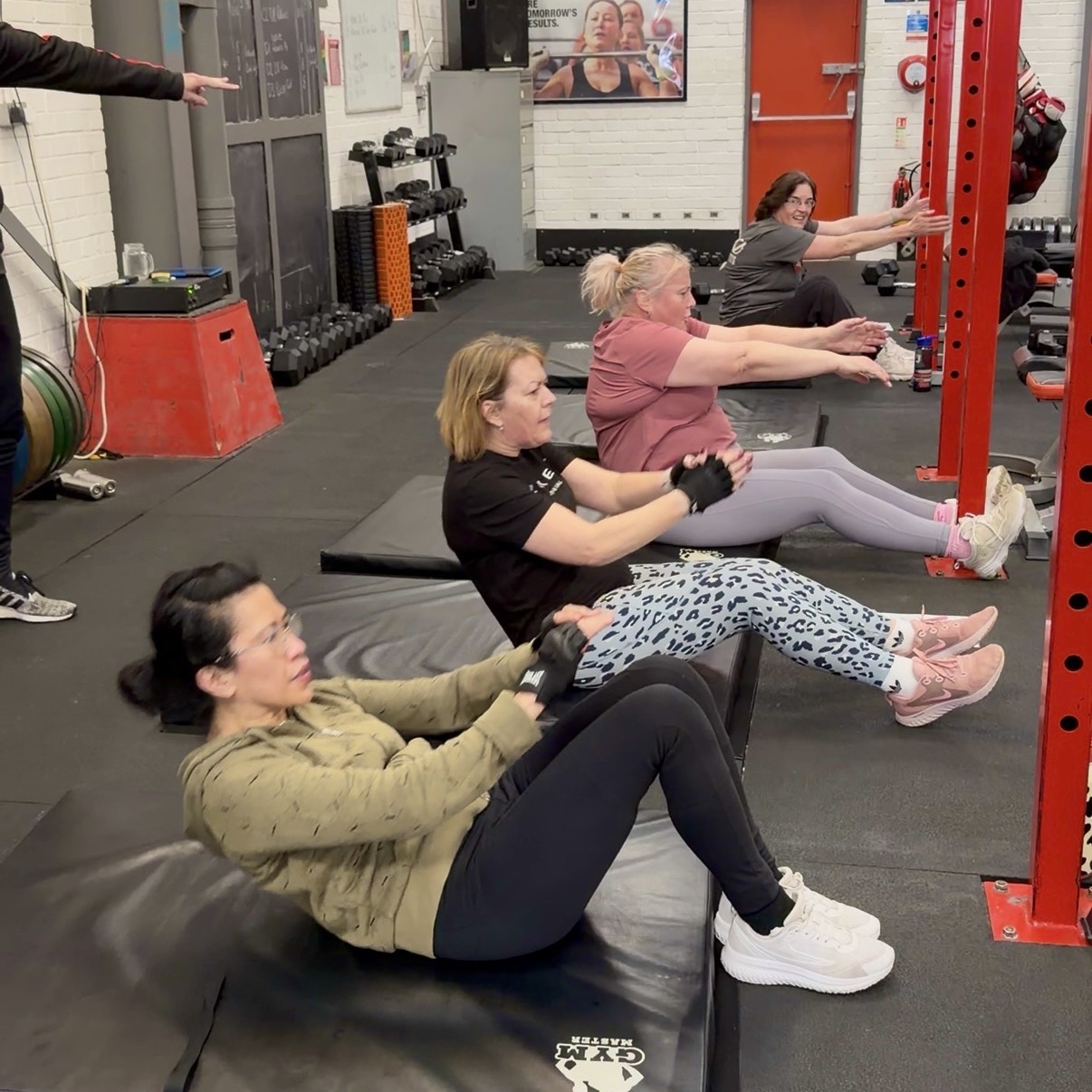
Fitness for Menopause & Perimenopause
Fitness During Perimenopause and Menopause: How Movement Can Help You Feel Like Yourself Again
If you're in your 40s or 50s and feeling like your body has started playing by a completely different set of rules, you're not imagining it. Perimenopause - the transition phase leading up to menopause, can begin years before your periods actually stop, and the symptoms can catch many women completely off guard.
The good news? How you move your body during this time can make a genuine difference to how you feel. Not in a "cure-all miracle solution" kind of way, but in a practical, evidence-based, this-actually-helps kind of way.
What's Actually Happening
Perimenopause typically begins in your mid-40s (though it can start earlier) and can last anywhere from a few years to over a decade. During this time, oestrogen and progesterone levels fluctuate unpredictably before eventually declining. Menopause itself is officially marked 12 months after your last period, with the average age being 51 in the UK.
These hormonal shifts can bring a wide range of symptoms: hot flushes, night sweats, disrupted sleep, mood changes, anxiety, brain fog, joint aches, weight changes (particularly around the middle), reduced energy, and loss of muscle mass and bone density! Sound familiar? Of course, not everyone experiences all of these, and severity varies enormously, but most women will notice something.
The encouraging news is that the right kind of exercise can directly address many of these symptoms. Here's how.
Strength Training: Your New Best Friend
If there's one type of exercise that deserves top billing during this life stage, it's resistance training. Here's why it matters so much now.
Protecting your bones. As oestrogen declines, so does bone density, and the rate of loss accelerates significantly in the years immediately around menopause. Weight-bearing exercise and resistance training stimulate bone growth and help maintain what you have. This isn't just about preventing osteoporosis in the distant future; it's about keeping your skeleton strong and resilient for the decades ahead.
Preserving muscle mass. Muscle loss happens naturally with age, but hormonal changes during menopause can accelerate it. Since muscle is metabolically active (it burns calories even at rest), losing it can contribute to the weight changes many women notice. Strength training is the most effective way to maintain and build lean muscle, supporting your metabolism and helping you feel strong and capable.
Managing body composition. Many women find that even without changing their diet, weight seems to redistribute around the midsection during perimenopause. While you can't spot-reduce fat, building muscle through resistance training helps improve overall body composition and can make a real difference to how you look and feel.
Boosting mood and confidence. Our members consistently tell us there's something profoundly empowering about them getting physically stronger during a time when their bodies felt unpredictable. The sense of progress and achievement that comes from lifting weights has genuine mental health benefits too.
Managing Specific Symptoms Through Movement
Hot flushes and night sweats. While exercise won't eliminate these, regular physical activity has been shown to reduce their frequency and severity for many women. Staying active also helps regulate body temperature over time. Just be mindful of exercising in very hot environments or immediately before bed if night sweats are an issue.
Sleep disturbances. Exercise is one of the most effective natural sleep aids available. It helps regulate your circadian rhythm, reduces anxiety, and physically tires your body in a healthy way. Morning, afternoon or early evening exercise tends to be best for sleep. Vigorous evening workouts can sometimes be stimulating and make it harder to wind down.
Mood changes and anxiety. Physical activity triggers the release of endorphins and other feel-good chemicals. It also provides a healthy outlet for stress and can create a sense of routine and achievement during a time that can feel chaotic. Both cardio and strength training have been shown to reduce symptoms of anxiety and depression.
Brain fog. Exercise increases blood flow to the brain and stimulates the release of growth factors that support cognitive function. Many women report feeling mentally sharper and more focused after regular physical activity.
Joint aches and stiffness. This might seem counterintuitive, but movement often helps rather than hinders joint discomfort. Strength training builds the muscles that support your joints, while gentle movement keeps things mobile. Low-impact options like swimming, cycling, or a 'lite' BTF Move session can be particularly helpful if you're experiencing joint issues.
Low energy. When you're exhausted, exercise can feel like the last thing you want to do. But regular movement actually builds energy over time rather than depleting it. Start gently if you need to and if you're working out at BTF, speak to a coach who can adapt all sessions to your needs.
Practical Tips for Making It Work
Start where you are. If you're new to exercise or returning after a break, there's no need to dive into an intense regime. Begin with what feels manageable and build gradually. Consistency matters more than intensity.
Prioritise recovery. Your body may need more rest than it used to. This isn't a sign of weakness, it's wisdom. Make sure you're getting enough sleep, managing stress, and allowing adequate recovery between sessions.
Listen to your body. Some days you'll feel fantastic; others you won't. Learning to adjust your intensity based on how you're feeling, and getting the right support from our coaches can help. Gentle movement on low-energy days is often better than pushing through or skipping entirely.
Find something you enjoy. This matters more than any specific exercise prescription. If you dread your workouts, you won't stick with them. Whether it's group classes here at BTF, outdoor walks, swimming, dancing, or lifting weights - find what feels good and makes you want to come back.
Consider support. If gyms have felt intimidating or you're unsure where to start, speak to one of our coaches who are professional, knowledgeable, welcoming and supportive. Having guidance from people who understand what you're going through can make an enormous difference - our friendly members can also help with this.
Be patient with yourself. Your body is going through a significant transition. Progress might look different than it did in your 20s or 30s, and that's okay. Celebrate what you can do, and trust that showing up consistently will make a difference over time.
It's About Feeling Like Yourself
Perimenopause and menopause aren't problems to be fixed, they're a natural phase of life. But that doesn't mean you have to simply endure the symptoms without support.
The right kind of movement can help you sleep better, feel stronger, manage your mood, protect your bones, and maintain your independence for years to come. It's not about fighting against your body, it's about working with it, supporting it through change, and building resilience for whatever comes next.
You're not too old, it's not too late, and you're absolutely not alone in this.
If you've been putting off starting because you're not sure where to begin or you're worried about walking into an intimidating gym environment, you're not alone. BTF is a supportive environment that offers professional coaching and proper guidance that makes all the difference, especially if traditional gyms have felt intimidating in the past.
